
Port of Long Beach Biodiversity Thrives Alongside Trade
Resilient San Pedro Bay habitat documented in new study
By Dr. Noel Hacegaba, CEO for the Port of Long Beach
Everything is connected at the Port of Long Beach, from a record-setting 9.9 million cargo containers processed in the last year to the growing diversity and complexity of marine habitat thriving within the harbor.
The success is no accident, as the Port’s biodiversity monitoring approach continuously evolves.
A comprehensive 2023 survey of water quality and marine habitat shows that the harbor ecosystem of the San Pedro Bay is not only healthy but flourishing – even as the Port continues to move record volumes of cargo. The findings reinforce a core truth that has guided the Port’s long-term strategy: economic growth and environmental improvement are not mutually exclusive. The Port’s pollution control efforts and regulatory compliance are working, and together, we are protecting the harbor’s valuable biological resources for the benefit of us all.
The 2023 biological survey, summarized in the Port’s new online Look Beneath the Surface brochure, documents extraordinary biodiversity across the San Pedro Bay. Scientists recorded more than 1,000 species of plants and animals, including 97 species of fish, 110 species of birds and four species of marine mammals. From kelp forests and eelgrass beds to rocky embankments, pilings and open water, the harbor supports a rich mosaic of habitats that collectively sustain a complex and resilient ecosystem.
What makes these results especially meaningful is the context in which they occurred. The Port of Long Beach is one of the busiest trade gateways in the world, serving as a critical engine for the regional and national economy. Over the last two decades, cargo volumes have grown dramatically, supported by investments in terminal modernization, infrastructure and operational efficiency. At the same time, the Port has implemented some of the most ambitious environmental programs in the maritime industry, including those focused on clean water and habitat protection.
The 2023 biological survey findings confirm that those investments are working.
Water clarity continues to improve, sediment quality supports pollution-sensitive species and non-native species remain a small and stable portion of the overall ecosystem. Juvenile fish were found in high numbers throughout the harbor, showcasing the harbor’s role as an important nursery habitat. Eelgrass acreage nearly doubled compared to the 2018 biological survey, and new satellite imagery revealed approximately 43 acres of kelp canopy within the harbor during summer 2023, creating critical shelter and feeding grounds for fish, birds and marine mammals.
Importantly, many of these ecological gains are occurring on and around port infrastructure itself. Human-made features such as riprap embankments, breakwaters and pilings function as productive habitat, supporting hundreds of species of invertebrates, algae and fish. New dive-based survey methods documented reef-associated species using these structures, including commercially and ecologically important fish found only during these surveys.
These outcomes did not happen by accident. They are the result of sustained, science-based environmental management, including pollution control, stormwater treatment, sediment remediation, invasive species monitoring and close coordination with state and federal resource agencies. The Port’s approach recognizes that a working harbor and a healthy harbor are deeply connected.
The contrast with past conditions is stark. In the 1970s, portions of the harbor suffered from poor water quality and severely degraded biological communities. Today, the harbor supports top predators such as leopard sharks, horn sharks, dolphins and gray whales, clear indicators of ecosystem health. Birds continue to return in large numbers year after year, and marine mammals are a common sight throughout the channels and outer harbor.
As the Port prepares to release the full technical report detailing the 2023 survey findings, the message is already clear: ports can be powerful environmental stewards while fulfilling their role as economic engines for the nation. At the Port of Long Beach, growing green is not just what we do, it’s who we are. And, we are proving this is not just a slogan, but a demonstrated reality.
By continuing to invest in innovation, collaboration, and long-term environmental programs, the Port is proving that global trade and thriving marine ecosystems can move forward together.
The commentary, views, and opinions expressed by Dr. Noel Hacegaba are his own and do not reflect the views or positions of the Pacific Merchant Shipping Association. PMSA does not endorse, support, or make any representations regarding the content provided by any third party commentator.
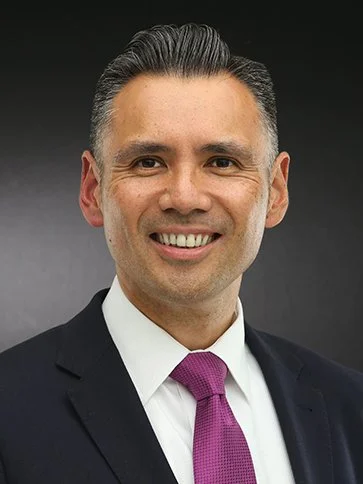
About Dr. Noel Hacegaba
Dr. Noel Hacegaba is the Chief Executive Officer of the Port of Long Beach, a world leader in supply chain innovation, customer service and environmental sustainability. He is responsible for advancing the Port’s pioneering projects and programs and elevating its leadership position in the global trade arena. Each year, the Port processes nearly 10 million container units carrying $300 billion in goods that power the local, regional and national economy by supporting nearly 3 million jobs.
In total, Dr. Hacegaba has more than 26 years of public and private sector leadership experience spanning a variety of industries. Prior to joining the Port, he managed $200 million in contracts for a Fortune 500 company.
See full bio.