
By Gene Seroka, Executive Director, Port of Los Angeles
September was a remarkable month at the Port of Los Angeles.
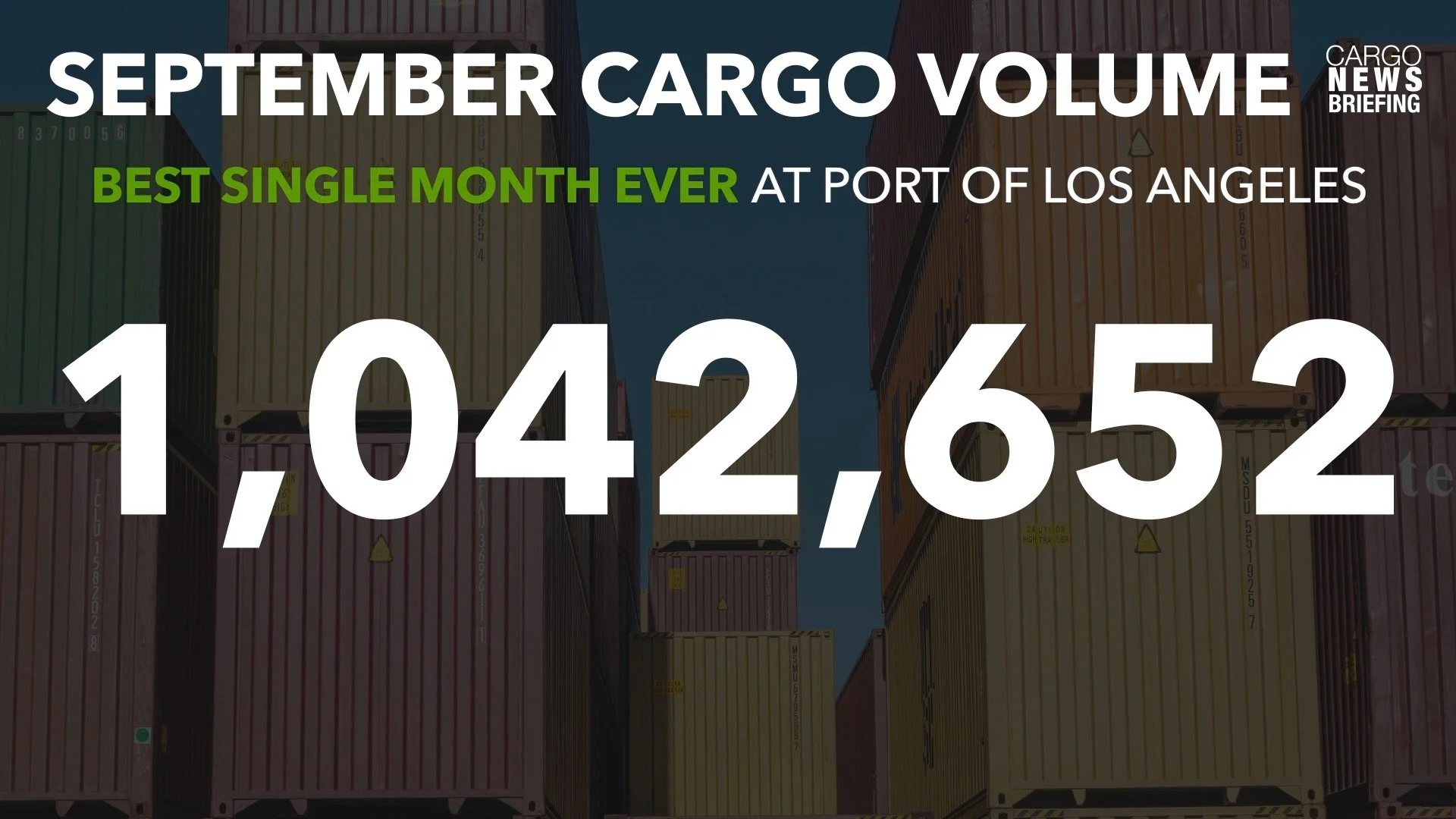
We handled approximately 1,040,000 Twenty-Foot Equivalent Units, making it the busiest month in our 118-year history. It capped an extraordinary four-month stretch in which nearly four million TEUs moved through Los Angeles at a record pace.
The numbers are impressive. But what stands out just as much is how that cargo moved.
Despite these historic volumes, our terminals remained fluid, ships moved to berth, trucks moved through our gates and rail operations continued moving cargo inland. That kind of performance doesn't happen by accident. It takes experience, investment, preparation—and, above all, collaboration.
That's why the credit for this record belongs to the entire supply chain.
Our marine terminal operators, ocean carriers, ILWU dockworkers, truck drivers, railroads and logistics partners have answered the bell month after month. They've handled historic volumes while keeping cargo moving efficiently through the nation's busiest container port.
PMSA and its members have been an important part of that effort, and I want to thank them for their continued partnership.
We've seen before just how important that collaboration can be.
During the unprecedented cargo surge of 2021, our industry faced challenges unlike anything we had experienced before. At one point, more than 100 container vessels were waiting to enter the San Pedro Bay port complex.
The maritime community responded.
Among the solutions was a new vessel-queuing process developed by the Pacific Maritime Association, Pacific Merchant Shipping Association and Marine Exchange of Southern California. Rather than having ships congregate near the San Pedro Bay, vessels slowed their trans-Pacific journeys and spread out their arrivals while maintaining their place in line for a berth.
It was an innovative response to an extraordinary situation—and an example of what this industry can accomplish when we work together.
We carried those lessons forward.
Today, we're handling cargo at levels that rival — and now exceed — some of the biggest months of that pandemic-era surge, but under very different operating conditions. That doesn’t mean there aren’t occasional pinch points and operational challenges, but our supply chain partners continue working together to address them. Our gateway has demonstrated the capacity and resilience to absorb exceptional volumes and keep them moving.
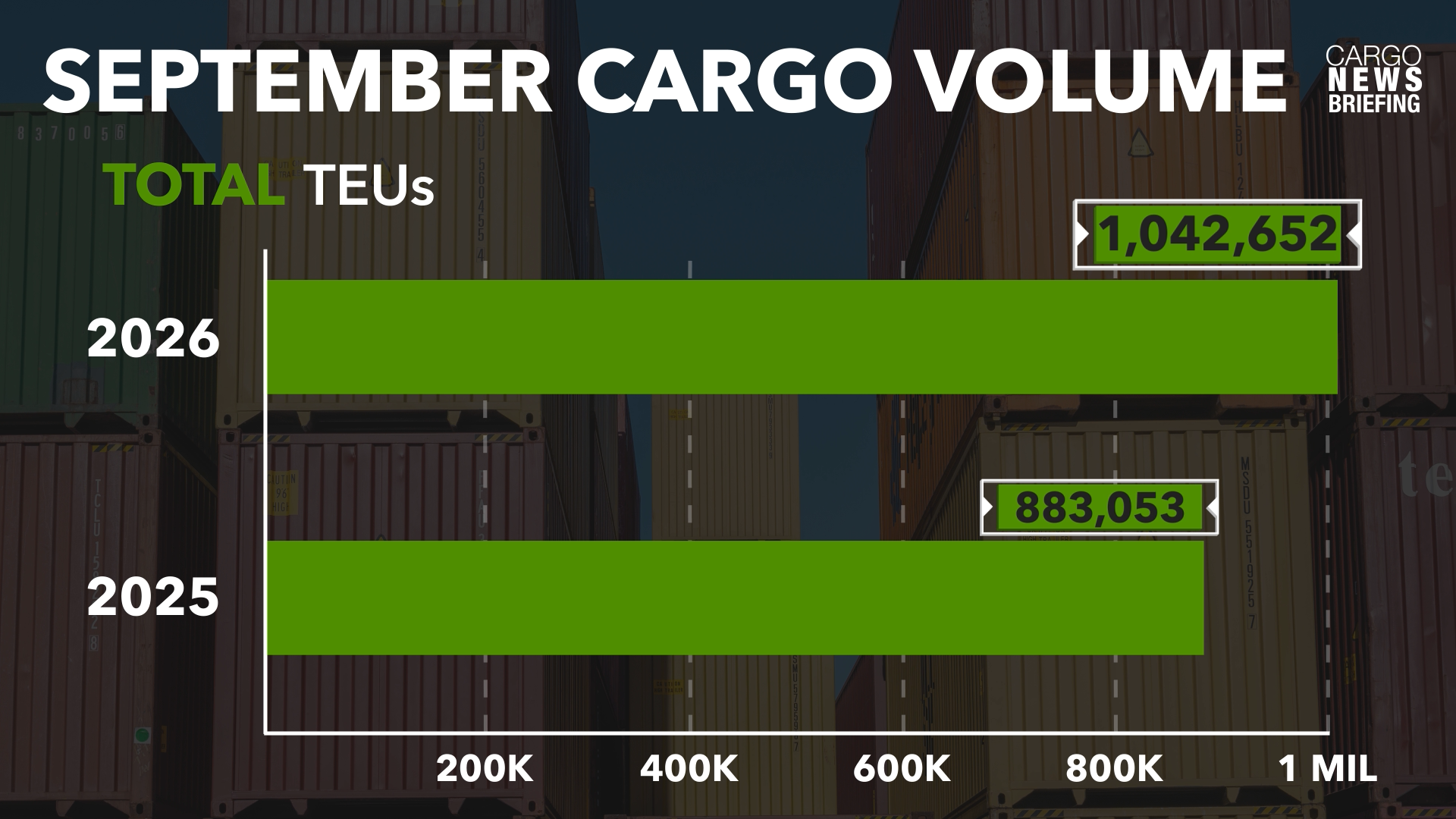
There are several reasons behind the strength we've seen this year. Consumer spending has remained solid. Importers have adjusted shipping schedules amid uncertainty surrounding tariffs and trade policy. Some cargo has moved earlier than usual. And Southern California continues to benefit from its unmatched combination of infrastructure, frequency of vessel service and access to the nation's largest consumer market.
But cargo owners also make routing decisions based on confidence.
They need to know their goods will get off the ship, through the terminal and on to their next destination reliably. The performance of our entire supply chain during this record run sends a powerful message: Los Angeles is ready.
That doesn't mean our work is finished.
We continue investing in terminals, rail capacity, roadways, digital infrastructure and zero-emission technologies that will prepare this gateway for the next generation of trade. We are also continuing to work closely with our partners throughout the supply chain to identify challenges early and solve them together.
Global trade will continue to change. Supply chains will evolve. Cargo volumes will rise and fall, and there will always be new challenges ahead.
But this extraordinary four-month run has demonstrated something important.
When the cargo comes, Los Angeles can handle it.
And that's an achievement shared by everyone who keeps this gateway moving.
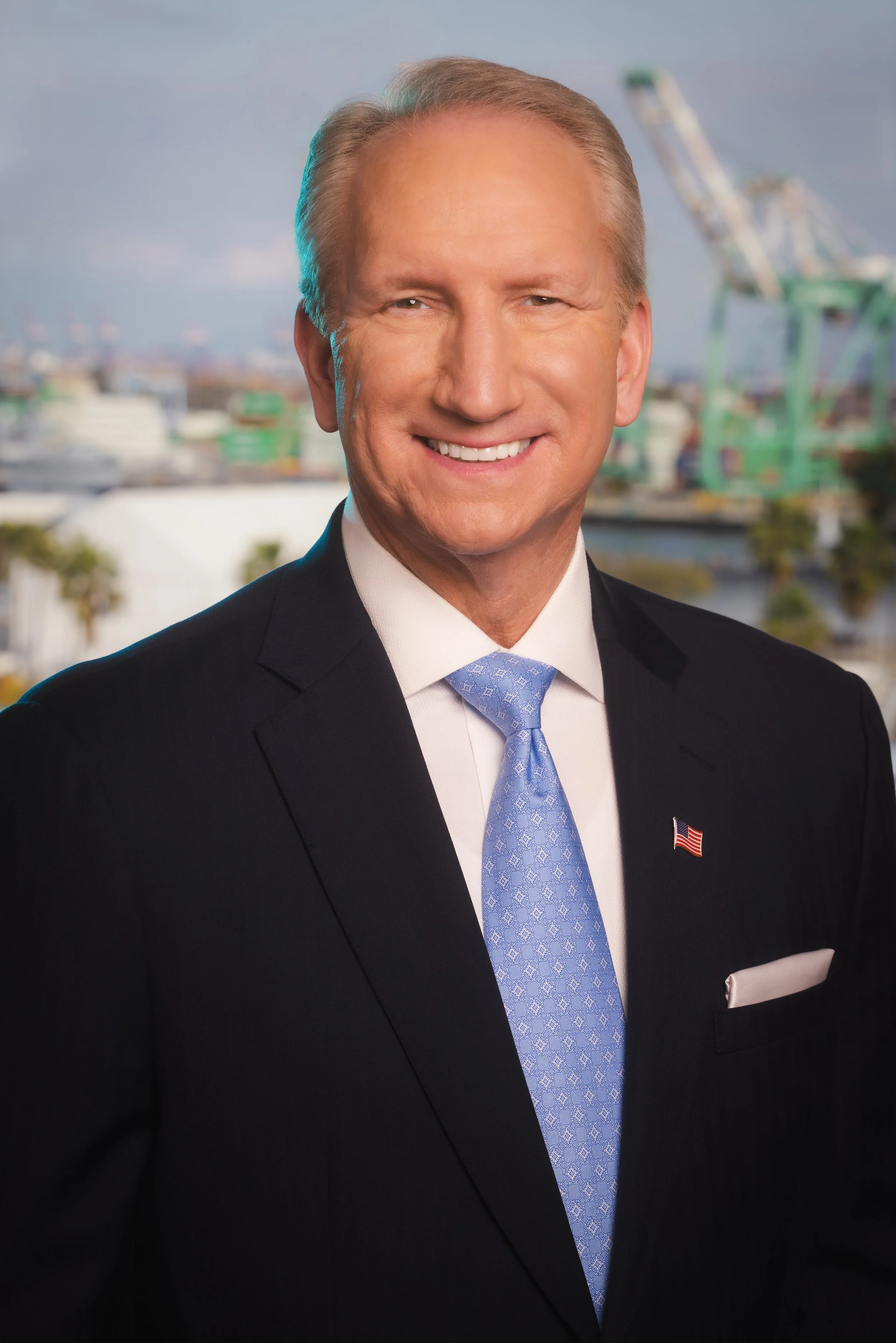
Gene Seroka is the Executive Director of the Port of Los Angeles, which has experienced a series of historic, record-breaking performances since his appointment in 2014.
A respected global trade expert, Seroka has distinguished himself as a leader throughout his illustrious career in shipping, global logistics and executive management.
As Executive Director of the busiest container port in North America, Seroka is responsible for managing a $3.4 billion budget, advancing major capital projects, growing trade volume and promoting innovative, sustainable practices that strengthen the region’s economy. Prior to joining the Port, Seroka held several key positions—both nationally and internationally—in sales and management for American President Lines (APL) Limited. He holds an MBA and Bachelor of Science in Marketing from the University of New Orleans