
By Charles “Bud” Darr, President and CEO, Cruise Lines International Association
I am often asked what the top three components of the maritime sector’s ability to get to net zero by 2050—and each time I provide the same three reasons: The fuels, the fuels, the fuels.
Without the development, supply, and global availability of zero- and near-zero-emission marine fuels, no part of shipping can complete this transition. That is true for cruise, cargo, ferries, offshore vessels, and the broader maritime sector.
But fuels do not stand alone. The path forward also depends on the ships we build, the ports that support them, and the policies that enable long-term investment.
That is one reason CLIA’s latest Environmental Technologies and Practices Report matters. Published annually since 2018, the report is the only industry-wide source that consistently tracks year-over-year fleet data on the adoption of environmental technologies and practices across more than 90% of global oceangoing cruise capacity. The 2026 report surveyed CLIA-member cruise lines, which operate 327 ships, regarding the technologies employed across their fleets. The survey results reflect data from 297 oceangoing ships, representing 96% of CLIA-member ships and 98% of CLIA-member global capacity.
The data tell a clear story: cruise lines are investing, measuring progress, and preparing for the next phase of maritime decarbonization.
Consider fuel flexibility. In 2018, just one CLIA-member ship operated with multi-fuel engines. Today, that number is 30, with 56 expected to be in service by the end of 2030 and 69 forecast through 2039. These ships are being designed to preserve optionality for a fuel market that is still developing.
The fuel mix is also changing. Data reported by cruise passenger ships to the International Maritime Organization (IMO) show heavy fuel oil (HFO) use by cruise lines declined from 74.2% of reported fuel use in 2019 to 60.6% in 2024, while non-HFO fuels increased from 25.8% to 39.4%. CLIA’s ETP tracking shows member cruise line use of non-HFO fuels at 40.3% in 2025. In Europe, EU THETIS-MRV data show that average fuel consumption per reporting cruise ship declined about 18.5%, and average CO₂ emissions per ship declined about 19.4%, from 2018 through 2025.
Shore power is another example. CLIA-member ships able to connect to onshore power supply have more than tripled since 2018, from 55 ships to 193 ships today. Yet only 41 cruise ports worldwide where cruise ships call — fewer than 3% — currently have at least one cruise berth with OPS. Cruise lines are investing in ship-side readiness; now port, grid, and energy infrastructure must keep pace.
The report also shows continued progress in freshwater production, wastewater treatment, air emissions technology, and waste management. Today, 293 ships can produce freshwater onboard, and 249 ships are equipped with Advanced Wastewater Treatment Systems capable of meeting or exceeding IMO MARPOL Annex IV discharge standards, up from 136 ships in 2018.
This is not new territory for cruise. Cruise lines have long been innovators and early adopters in maritime — investing in more efficient ships, advanced environmental systems, shore power capability, fuel flexibility, onboard water production, and technologies that often move faster than the infrastructure around them.
That is why the public conversation matters. Many critics of cruise care deeply about the environment, and their concerns may be sincerely held. But when criticism treats cruise as the obstacle — rather than recognizing cruise as one of the maritime sectors investing early, measuring progress, and pushing for the fuels and infrastructure the entire industry needs — it misses the mark.
More importantly, it can distract from the practical work required to accelerate progress.
The next stage of maritime decarbonization will not be delivered by slogans or by singling out one sector. It will require scalable fuels, reliable shore power, grid capacity, port investment, shipyard innovation, technology-neutral policy, and globally consistent regulation through the IMO.
Cruise is doing its part. We are investing in the ships. We are measuring progress across the fleet. And we are working with ports, fuel producers, energy providers, regulators, and maritime partners to help prepare the operating environment around us.
The path forward depends on collaboration — across sectors, across ports, and across the full maritime ecosystem.
Because the future will be built by the ships we build, the ports that support them, and the fuels that move them.
For more information and to view the ETP results, please visit https://cruising.org/news/cruise-industry-report-shows-measurable-progress-environmental-technologies-and-practices
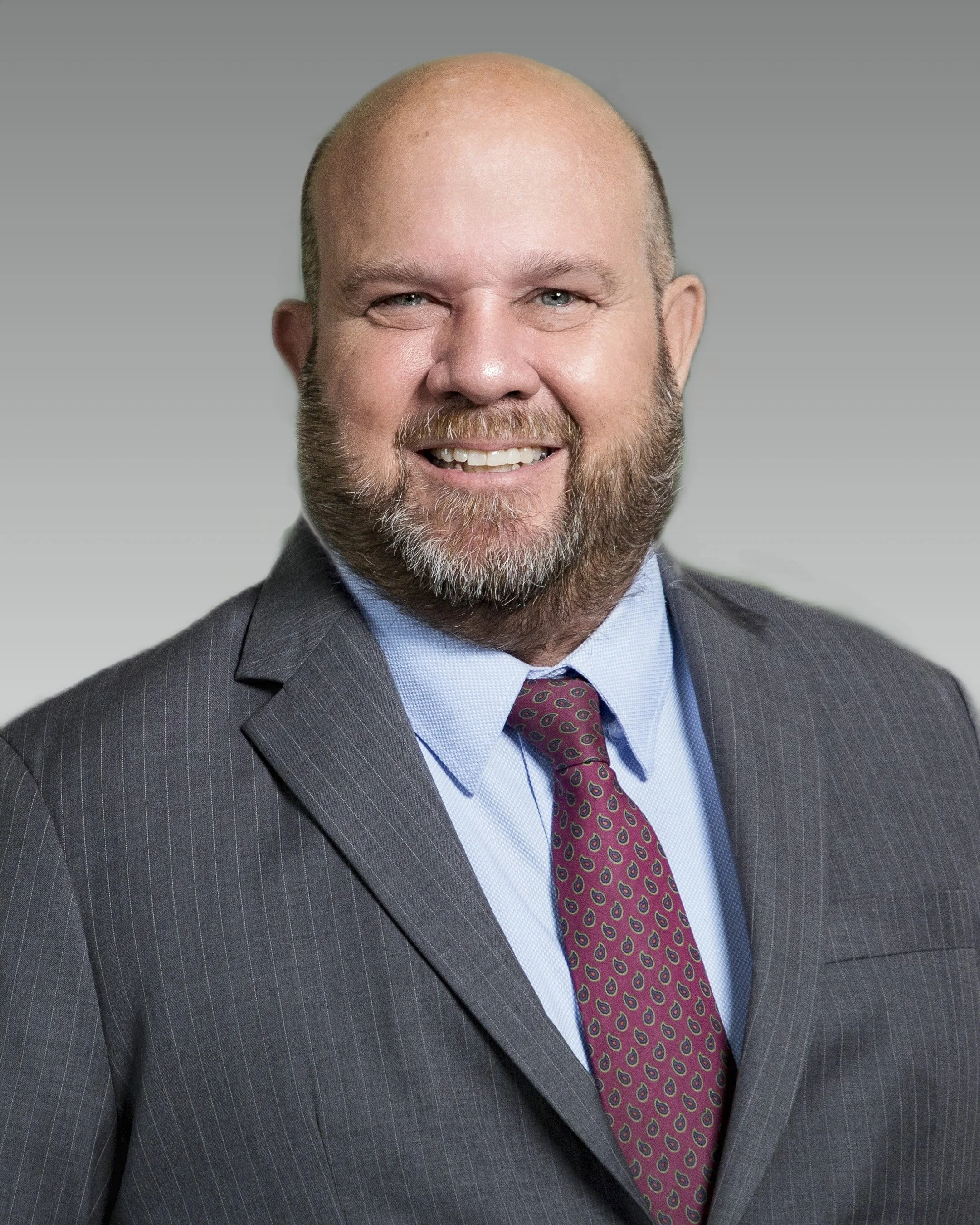
About Charles “Bud” Darr
Charles “Bud” Darr is President and CEO of Cruise Lines International Association (CLIA), the leading voice of the global cruise industry. He leads CLIA’s global work to support the cruise community, advance responsible industry growth, and engage with governments, ports, destinations, and maritime partners on the policy, operational, and environmental issues shaping the future of cruise.
About CLIA
Cruise Lines International Association (CLIA) provides a unified voice for the industry and its members as the leading authority of the global cruise community. CLIA represents oceangoing member lines comprising more than 90% of global cruise passenger capacity, along with river cruise marketing affiliates, ports, destinations, shipyards, maritime product and service providers, and the largest network of travel professionals who specialize in cruise travel. Together with its members and partners, CLIA supports policies and practices that foster safe, secure, healthy, and sustainable cruise operations and maximize the socioeconomic benefits of cruise travel.