
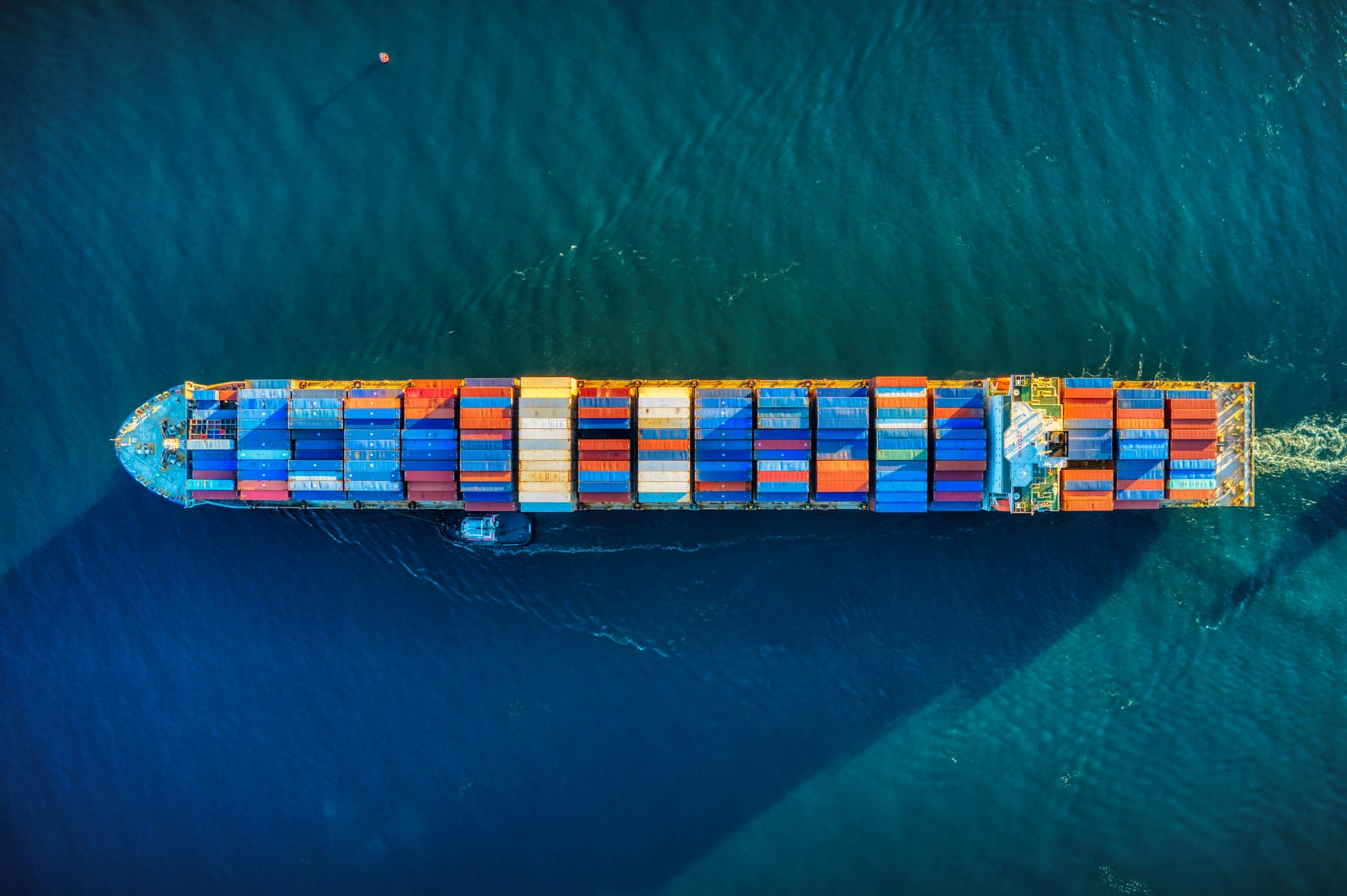
Search our collection of articles, blogs, resources and more to stay informed on the goods movement sector.
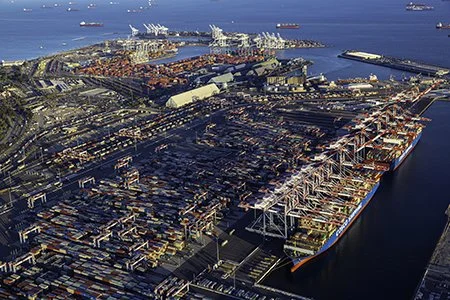
PMSA Congratulates Port of Long Beach CEO Mario Cordero on his Retirement and Welcomes Incoming CEO Dr. Noel Hacegaba
LONG BEACH, CA – The Pacific Merchant Shipping Association (PMSA) extends its congratulations and thanks to current Chief Executive Officer Mario Cordero for his years of dedicated leadership at the Port of Long Beach on the occasion of his upcoming retirement and also warmly welcomes Dr. Noel Hacegaba as he steps into the role as new Chief Executive Officer on January 1, 2026.


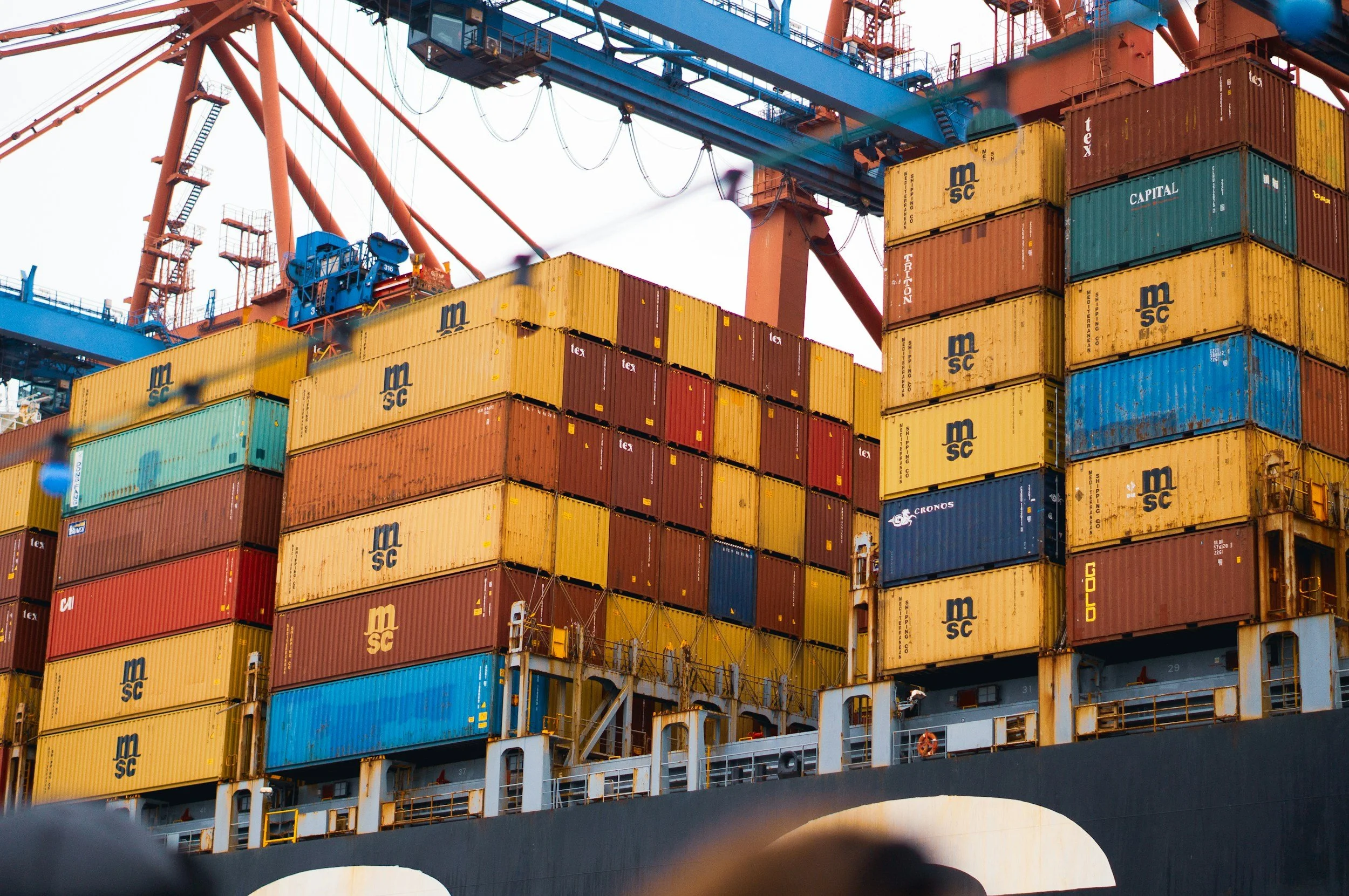


PMSA Statement on Approval of a Cooperative Agreement with the Ports of Los Angeles and Long Beach
LONG BEACH, CA – Mike Jacob, President of the Pacific Merchant Shipping Association (PMSA), issued the following statement following today’s South Coast Air Quality Management District (SCAQMD) Board meeting…

Port Indirect Source Rule Newsletter #16
Southern California’s business, labor, and community leaders are uniting behind the Ports of Los Angeles and Long Beach’s Cooperative Agreement with SCAQMD. This balanced, results-driven plan builds on decades of clean air progress and collaboration. Join us on November 7 to show your support for a cleaner, competitive future for our ports and communities.

Restoring Regional Cooperation: A Model for Clean-Air Governance in California
By Thomas Jelenić, Vice President, Pacific Merchant Shipping Association
This article explores the renewed collaboration between the ports, industry, labor and regulators in Southern California — proving that when stakeholders unite behind clear infrastructure and emissions frameworks, shared goals like decarbonization and cargo growth become achievable. Join us in supporting this balanced future.
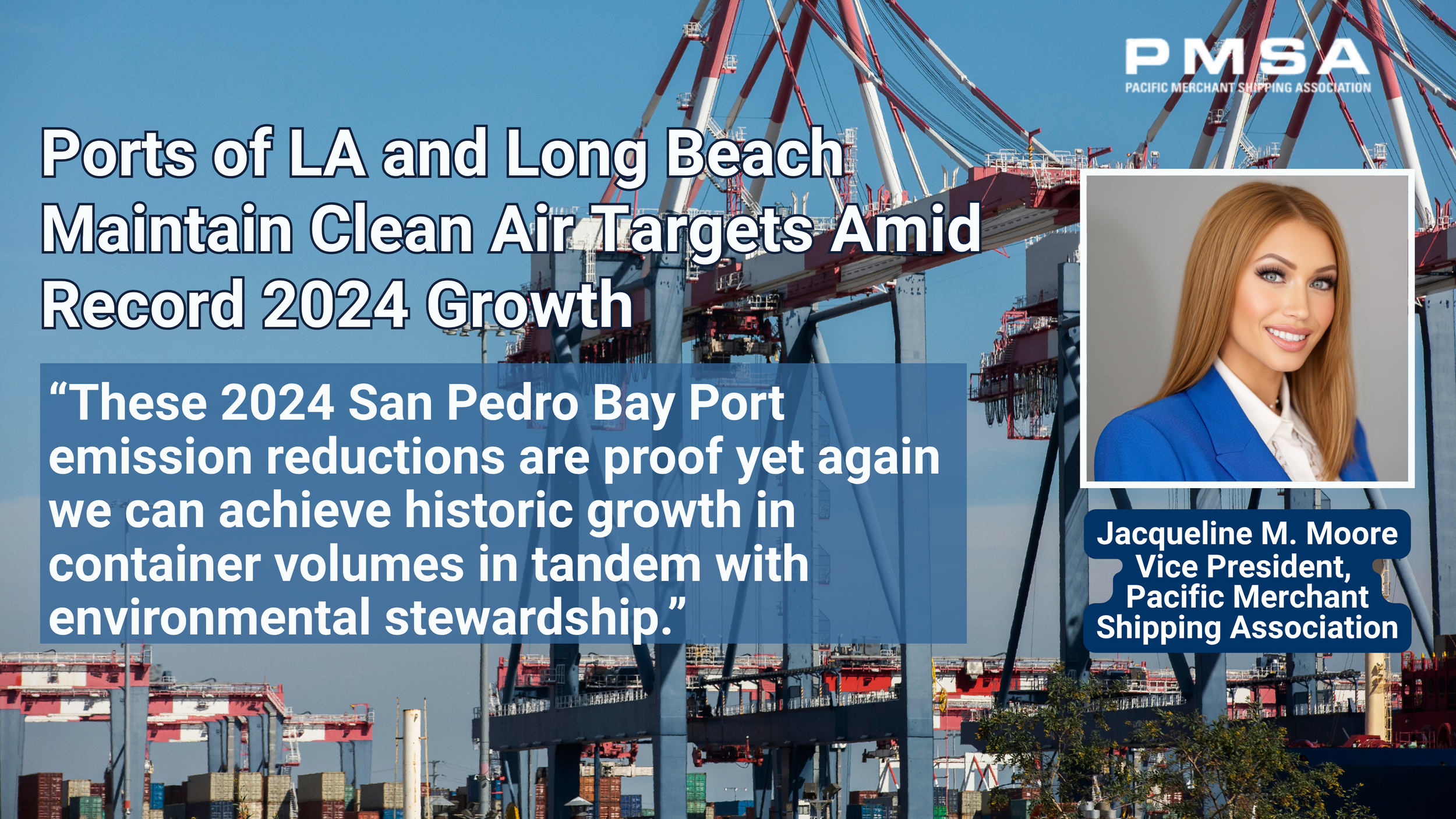
Ports of LA and Long Beach Maintain Clean Air Targets Amid 2024 Growth
By Jacqueline M. Moore, Vice President, Pacific Merchant Shipping Association
In 2024, the San Pedro Bay port complex achieved historic cargo growth while sustaining ambitious air quality targets under the Clean Air Action Plan. Diesel particulate matter, nitrogen oxides, and sulfur oxides all remain far below 2005 baselines, even as throughput surges. Discover how ports can expand and decarbonize together.

WSC Launches Global Dual-Fuel Fleet Dashboard
The World Shipping Council has launched its Dual-Fuel Fleet Dashboard, which monitors the global liner fleet’s transition to renewable and lower-emission fuels. As of September 2025, more than 350 dual-fuel container ships and vehicle carriers are active, with orders accelerating toward a low-carbon future. Explore the trends shaping shipping decarbonization.

September 2025 Report on Containerized Trade at North American Seaports
In September 2025, the Ports of Los Angeles and Long Beach saw declines in container volumes year-over-year, but still posted gains compared to 2019. Other major U.S. and Canadian seaports showed divergent trends. Explore full port comparisons and regional performance in this latest analysis.

Impact of Higher Tariffs on Imported Kitchen Cabinets and Bathroom Vanities
In a new executive order, the U.S. imposed higher tariffs on imported kitchen cabinets and bathroom vanities, aiming to protect domestic industries. But these levies could also reduce container traffic through major gateways like the Ports of Los Angeles and Long Beach. Explore trade shifts, sourcing changes, and port impacts in this analysis by Natasha Villa.

U.S. Soybean Seaborne Exports
With China halting U.S. soybean imports, shipments to alternate buyers like Egypt, Germany, Indonesia, and Japan are rising—but not enough to fully compensate. Explore export trends, port flows, and market impacts in this deep dive

Diverting California’s Tree Nut Exports
California’s almond, walnut, and pistachio exporters are redirecting more cargo through Southern California ports and Houston, reducing Oakland’s historic share. Learn why logistics, rail links, and market dynamics are driving this shift in U.S. agricultural export flows.

August 2025 TEUs
In August 2025, the Ports of Los Angeles and Long Beach handled nearly 945,000 inbound loaded TEUs—down 2.2% year-over-year but up 24.3% vs. 2019. Get a full breakdown of U.S. port volumes, inbound/outbound trends, and YTD comparisons in our latest data release.